
Caption
Submitted by a reader; content credentials name ChatGPT as the source.
Staimp checks images and video before you publish: credentials, signs of AI and the AI Act duties that may apply.
Sample: an AI-generated image, scanned on 22 Oct 2026. Not proof of origin.
Sources: Regulation (EU) 2024/1689 · Digital Omnibus on AI, (EU) 2026/1744
fox.png carries C2PA content credentials. Staimp reads them: which tool made the file and what was done to it. The signature itself is not verified yet. Now try the same picture as a screenshot.
fox.png · 1536×1024 · PNG · sent in by a reader
No EXIF or XMP at all: no camera, no lens, no capture time. On its own this proves little, because many tools strip metadata. Together with the credentials, it is a second signal.
Staimp runs up to seven signals (two are not active yet) and fuses the ones that return a result into a single likelihood with a confidence range. A signal with nothing to go on abstains instead of guessing. It is an automated indicator, not a certification.
AI likelihood98%confidence interval 93%–100% · 4 of 7 signals fused · scan of fox.png, 22 Oct 2026
The file's own Content Credentials declare it AI-generated: that is the AI provider's machine-readable marking, and readers cannot see it. Whether you also need a visible label depends on how you use the image. The checks come in order of priority.
Automated preliminary assessment only, not legal advice. Confirm obligations with qualified counsel before publishing.

Your call, with a record of what was checked. Try it: switch the disclosure on.
Submitted by a reader; content credentials name ChatGPT as the source.
Agencies and online shops ask the same question before an image goes out. Every image on this page was generated with AI. The originals carry content credentials; the web copies here are resized and lose them. We label our samples the way we suggest you label yours.

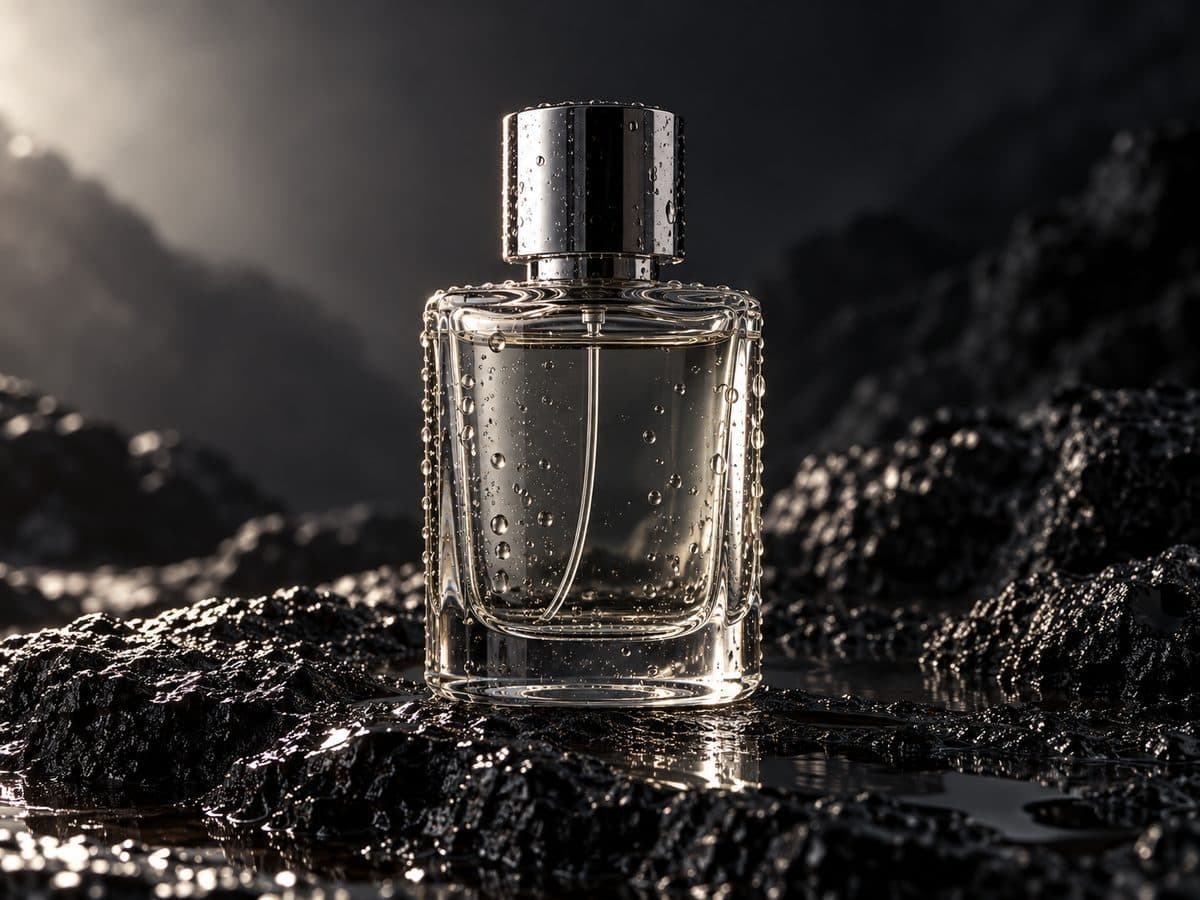
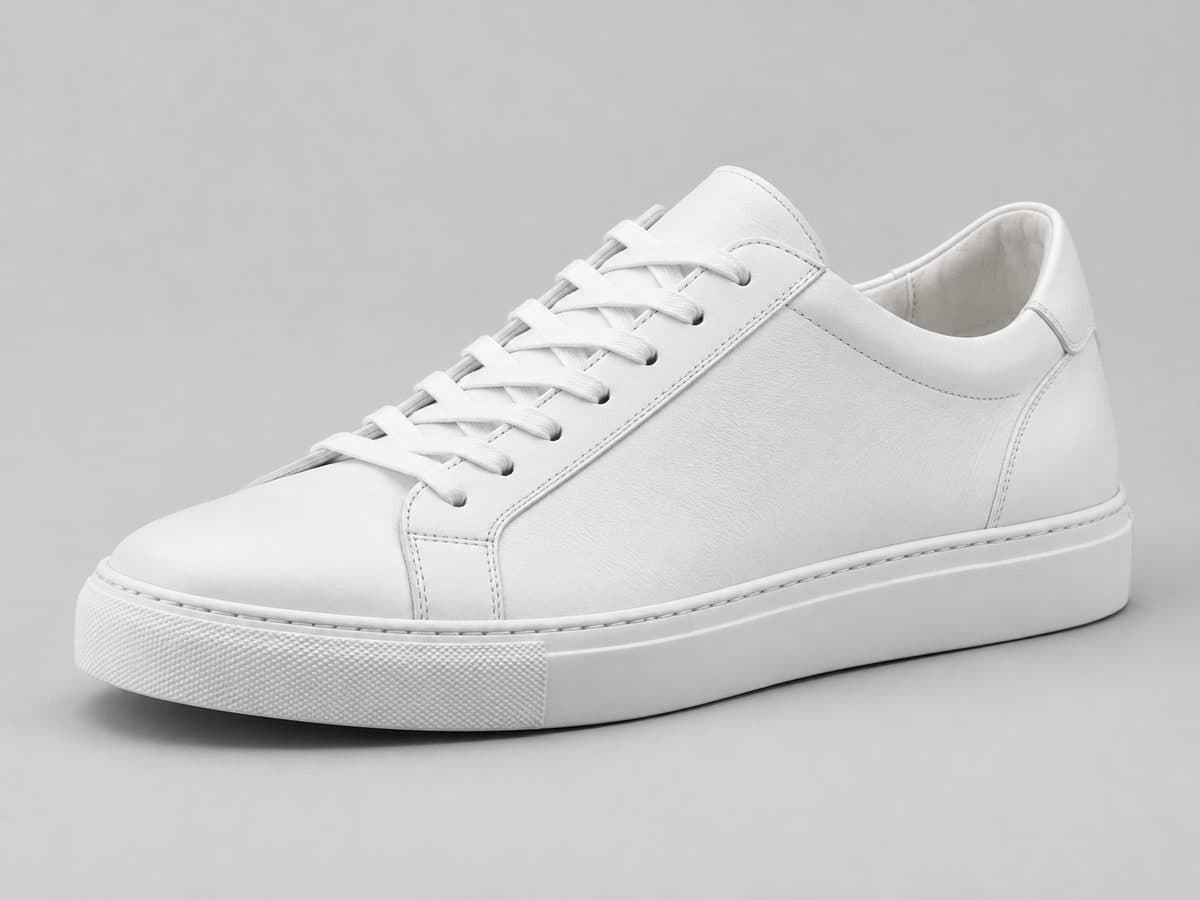
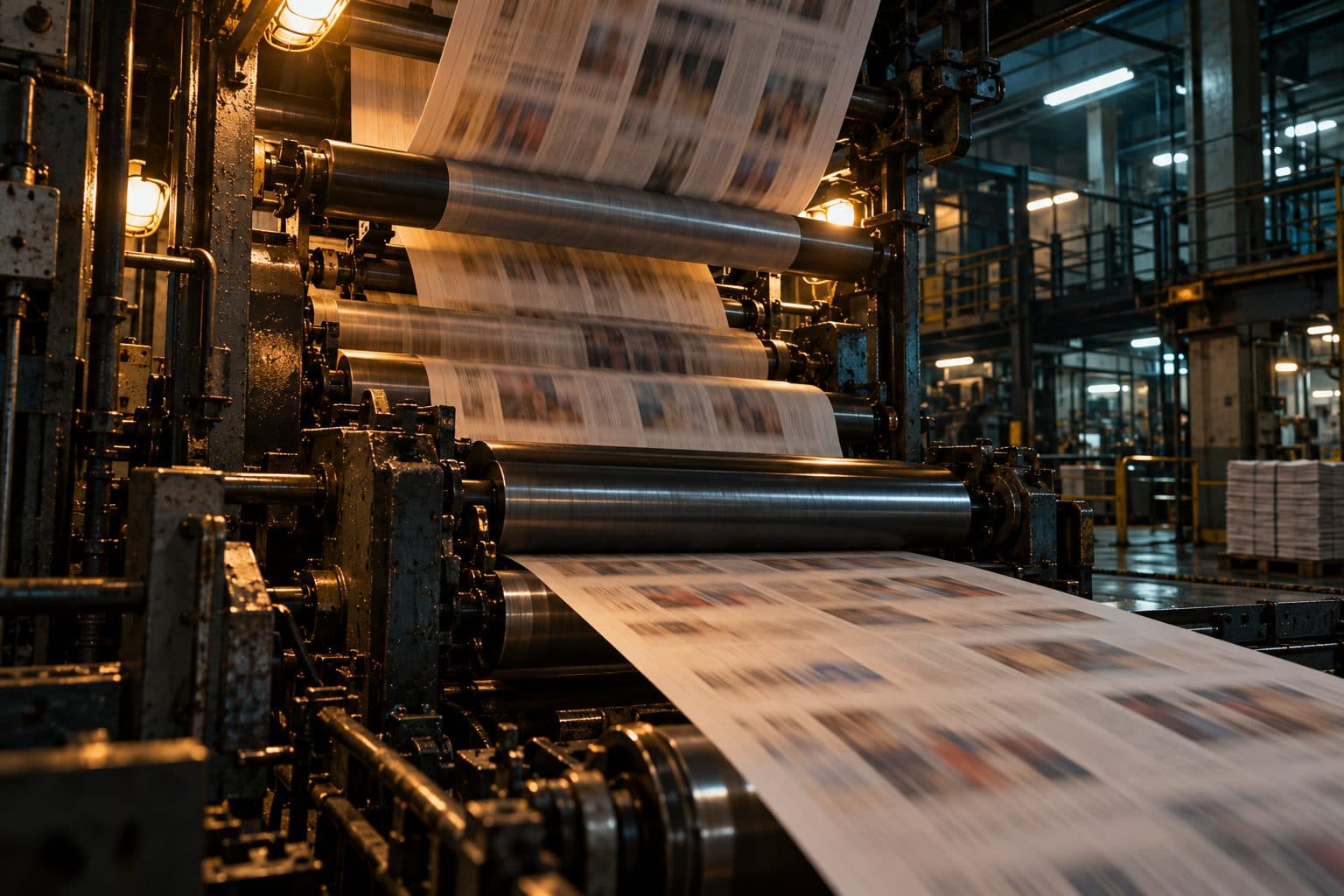
From 2 December 2026, in 35 days, AI tools launched before August must mark their images too.
Everything in Free, plus downloadable PDF reports and email support. For professionals who publish regularly.
Paid plans renew automatically every month until cancelled. Cancel anytime in your account; the plan stays active until the end of the paid period. Prices exclude applicable taxes: VAT or sales tax, where applicable, is calculated at checkout. Scans reset monthly and don't roll over. Consumers can withdraw within 14 days after the contract starts.
What the law asks, what Staimp does, and what it does not. Source: Article 50
Since 2 August 2026. Generative AI systems already on the market before that date have until 2 December 2026 to add machine-readable marking.
Disclosure may be required if the image is a deepfake under Article 50(4): content that resembles real people, objects, places or events and could falsely appear authentic (Art. 50(4) and 3(60)). Not every AI-edited image meets that definition; a retouched product shot, for example, may not.
Mainly the provider of the AI tool that generated the image (Art. 50(2)). Staimp checks whether that marking is present.
For evidently artistic, creative or satirical work, disclosure can be done in a way that doesn't spoil the work.
No tool can. Staimp shows what it found and which duties may apply, so you can act and keep a record. For legal decisions, consult a qualified lawyer.